Death Cleanup
After a person dies at home, cleanup addresses fluids, odors and belongings that were affected.
See death cleanupSort, pack and remove belongings from a home, apartment, garage or storage area in Fairview after a death. Important documents and keepsakes are set aside under your instructions.
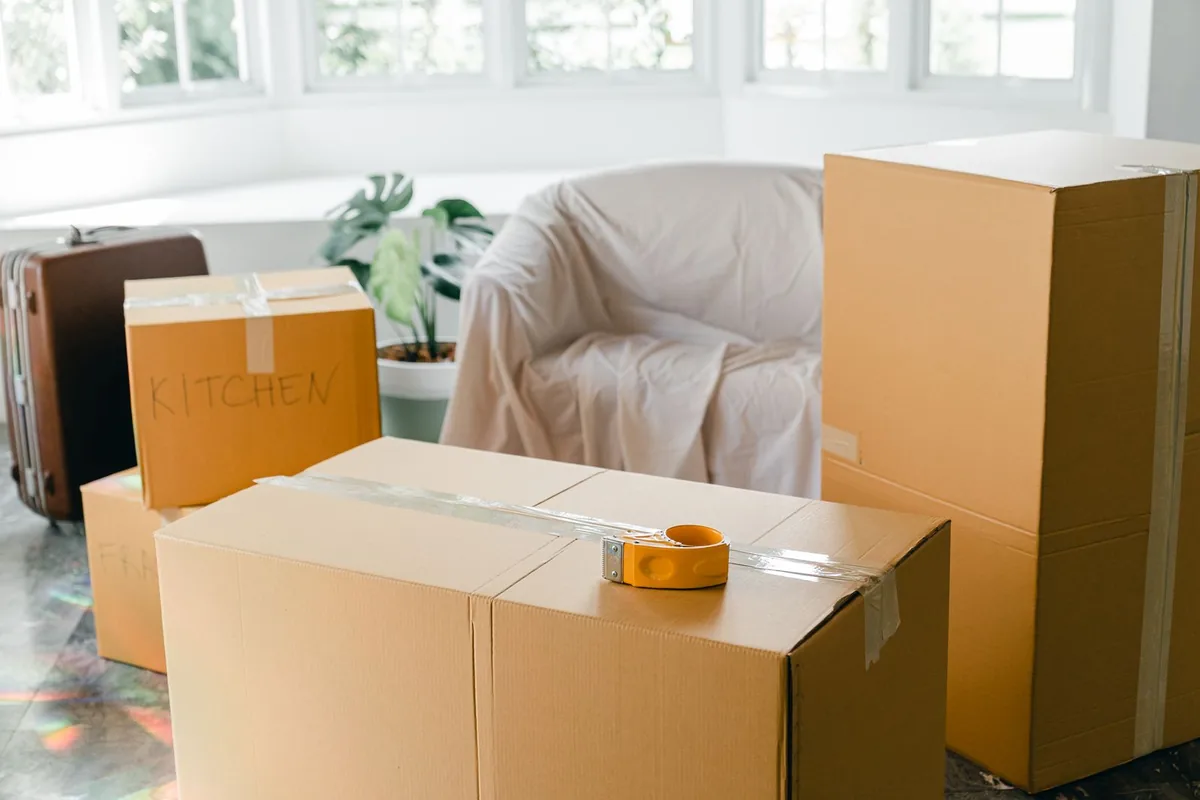
Once the family or a legal representative is ready to empty a property following a death, the structured sorting, packing and removal of the person's possessions is called an estate cleanout.
The included spaces might be a house, apartment, attic, garage, storage unit or separate building. Before removal, belongings go into the categories you select: retained items, papers to examine, intended donations, recyclables and regular trash. Appliances and furniture may then leave the property, making the rooms empty and ready for their next use.
Estate cleaning does not always involve cleaning a death scene. Careful sorting and ordinary cleanout work may be sufficient when a death occurred at home without bodily fluids affecting the space. When an unattended death, visible blood, contaminated material or a strong odor is involved, workers must wait for biohazard cleanup before sorting around that location. Following this order protects both the family and other entrants.
Belongings people could miss also deserve attention from a thoughtful cleanup service. Photographs, legal records, keys, jewelry, cash, medicine and family keepsakes belong in a separate group for you to inspect. Before the cleanup process starts, you can name priority items and make choices gradually when belongings are extensive.
Before work starts, you confirm each sorting group, important item and part of the removal plan. The plan can pause when a family decision is needed.
As you move forward, photographs, work details and invoices can help with discussions involving relatives, the estate representative or insurance companies.
Crews arrive in unmarked vehicles, protect common paths and keep boxes or bags from drawing unnecessary attention outside the property.
You can examine separated photos, documents, valuables and requested mementos without them being mixed among items to remove.
When belongings must be cleared following a death, estate cleanout services give families, executors, landlords and property owners an orderly approach. Common examples are:
A home with regular household items may require packing, removal and sorting when a person died under care or with family present.
Whoever has estate authority needs visual records, step-by-step decisions and a removal log for the property.
Before belongings in safe spaces are reviewed or taken out, biohazard remediation is finished in the affected area.
Clearing the belongings requires planning around access, elevators, parking, nearby residents and the landlord's rules.
Start by protecting the property and confirming who can make decisions for the estate. These steps reduce confusion before cleaning services or removal begin:
Call (888) 440-9227Estate cleanout prices listed by the veteranhauling.com cost guide are $1,000 to $3,000 when a smaller home has one to two bedrooms, $3,000 to $7,000 when a mid-size home has three to four bedrooms and $7,000 to $15,000 when a home is large or heavily furnished. For one truckload, its load-based junk removal range begins at $300 and ends at $800 according to that guide. The contents present, needed disposal and property access affect your price.
The figures shown are national ranges from published cost guides and are not based on an on-site visit. You learn what your property will cost after the on-site assessment and before any work begins.
Ask about cost: (888) 440-9227A policy does not necessarily cover regular estate-clearing work. Insurance could apply when cleanup results from a covered loss, while the estate or property owner commonly pays if no applicable coverage exists.
Homeowners or renters insurance, the estate or the property owner usually pays for this kind of cleanup. The Wisconsin crime victim compensation program helps only when a crime caused the loss. Contact the program itself to ask if qualifying crime scene cleanup or associated expenses receive coverage. That benefit might not apply to regular estate clearing.
Confirm with the insurance company which records to submit and whether death cleanup or biohazard work is included when the policy covers the loss cause. The specific event and policy determine coverage.
Responsibility may turn on the lease language, applicable local requirements and who has authority over the property. Get authorization before you take personal property belonging to a tenant or alter the space.
An authorized estate representative can consult a suitable financial or legal professional about using estate funds for cleanout costs. File invoices with removal records.
From verifying access through the last walk-through, an estate cleanout proceeds in a managed sequence. You decide what cannot leave and can give approval at every stage.
You or someone acting for you examines the rooms, access points and priority belongings. Sorting begins only after noting affected areas and any possible hazards.
The sorting categories follow your choices and may cover items to keep, discuss with family, set aside for intended donation, recycle, discard normally or dispose of separately.
Identification, financial papers, photographs, keys, valuables and named keepsakes are placed in a secure decision area instead of the removal stream.
Cleanup crews use protective equipment and carry out the remediation process after securing the affected area, while ordinary contents work remains paused.
Your saved belongings receive clear labels and are packed according to room or group. Fragile objects and documents are separated so they are easier to examine.
Approved furniture, boxes and ordinary debris are carried out along a planned route. Items requiring special care follow the proper waste disposal process.
Cleaning of ordinary residue and dust can begin when the rooms are vacant. A lasting smell must be tracked back to its cause before odor removal is considered complete.
The final check lets you inspect vacant rooms, account for saved items and note repairs or restoration services before the property is handed over.
You can call anytime. A specialist in estate cleanout after a death takes your call, explains each step and agrees on a start time with you.
Estate contents are usually not biohazards, yet potential dangers inside a home should be recognized ahead of any sorting work.
Medication, loose needles, household chemicals, fuel and ammunition each require distinct handling choices. Never use your hands to put sharp or unidentified objects in a regular bag.
Each possession may hold personal meaning. To move forward without rushing meaningful choices, use a saved-item list and manageable sorting batches.
Bodily fluids on drywall, subfloor, furniture, padding or carpet may call for regulated waste disposal and professional cleanup before moving general belongings.
Can you clean it yourself? If concealed contamination is discovered, a general cleanout crew should pause work. For a small amount of fresh blood on a hard, non-porous surface, use gloves and an EPA-registered disinfectant for the full contact time. When porous contents such as fabric, carpet or wood are affected by blood, have professional biohazard cleanup completed before continuing the cleanout.
Only after items have been sorted under your instructions should any of them count as waste. Personal belongings must stay separate from ordinary debris and from waste that poses a hazard.
Timing for an estate cleanout varies. A small home with light furnishings might be cleared in one work period, but several visits can be needed when a full house requires careful decisions by the family. Access restrictions, biohazard tasks and decisions that are not yet made take additional time.
| Scene | Typical time on site |
|---|---|
| Small home with decisions already made | Often the shortest schedule |
| Entire house requiring family choices for each room | Often requires several work periods |
| Dense belongings, safety risks or unattended death cleanup | Completed through scheduled stages over a longer period |
Effective odor removal starts with locating its origin. Removing spoiled food, rubbish and washable belongings can improve routine stale air, but covering a smell with fragrance does not address smoke residue, excess moisture, animal waste or contamination associated with an unattended death.
If biohazard material is found, its source has to be removed ahead of any air treatment. An EPA-registered disinfectant is applied to cleanable surfaces for all of the label contact time, while contaminated porous items might have to be taken out. During professional cleanup, HEPA air scrubbers may collect particles from the air. What caused the odor guides the final air quality approach, rather than the strength of a product used to mask smells.
The full estate cleanout after a death guide covers what is cleaned or removed, odor and air quality work, and the rules that apply in your state.
Read the full estate cleanout after a death guideLocal housing, population and access details can shape containment, access and cleanup planning.
West Allis Memorial Hospital is about 2.1 miles from Fairview, which is useful to know when an exposure or injury needs medical attention.
With Hawley Farms, White Manor, and River Bend close by, accurate street and unit details help avoid confusion during a sensitive response.
Neighborhood level directions help narrow the location, but crews still need entrance details before bringing containment and cleaning equipment inside.
You can ask about cleanup in nearby communities and ZIP codes during the call.
After a person dies at home, cleanup addresses fluids, odors and belongings that were affected.
See death cleanup
When a death remains undiscovered for days, cleanup addresses decomposition and controls odors.
See unattended death cleanup
Cleanup after a death that was found quickly, with care for the family home.
See attended death cleanup
Removal of decomposition fluids from floors, subfloors and furniture.
See decomposition cleanup
At the source, death odor removal uses air scrubbers plus hydroxyl and ozone treatment.
See death odor removal
Hoarding cleanup with respectful sorting, removal and deep cleaning.
See hoarding cleanup
Hoarder house cleanout clears a home room by room and includes hauling away trash.
See hoarder house cleanout
Biohazard waste pickup and disposal in sealed, labeled containers.
See biohazard waste disposalFirst gather the clearly identifiable items that would be hard to replace, such as identification, legal papers, pictures, keys, jewelry, money, medication and listed mementos. You do not need to move heavy contents yourself. To help find meaningful items during sorting, prepare a priority list in advance.
Separate mail, financial papers, identification and electronics for inspection so private items do not mix with ordinary refuse. An authorized representative may identify records to keep and organize secure destruction of those approved for disposal. Even broken electronics can contain sensitive data, which means you should make a specific choice about each device.
An executor, trustee, administrator, property owner or different legally approved person may hold the authority. The applicable process in your area and estate records control the answer. When relatives disagree or no one is sure who can act, pause removal and consult a qualified local probate professional before personal property leaves.
You or an authorized representative should join the first walk-through, approve the scope and explain which belongings matter. When everyone understands how to enter and which choices require approval, your constant presence may be unnecessary. For items without a clear decision, plan check-ins before they are taken out.
The cited estate cleanout cost guide lists $1,000 to $3,000 for a smaller home, $3,000 to $7,000 for a mid-size home and $7,000 to $15,000 for a large or heavily furnished home. Final pricing and scope reflect the contents volume, truck loads, special disposal needs and access conditions.
Estate clearing may involve sorting every room, packing your saved belongings, separating papers and valuables, and taking out authorized furniture, appliances and household waste. The service may include checking for hazards as well. If blood, bodily fluids or decomposition affected the property, professional death cleanup should happen before general sorting in that area.
Respectful, discreet estate cleanout after a death is available 24 hours a day, and crews arrive in unmarked vehicles.